Dead Branch Removal in Allentown, PA
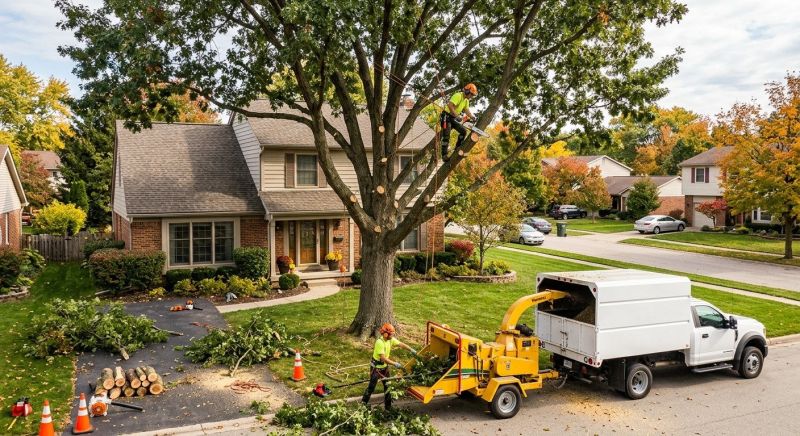
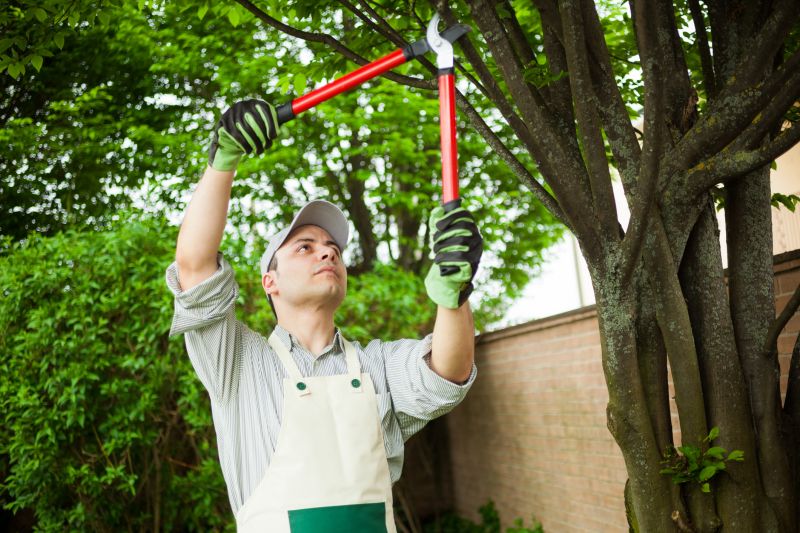
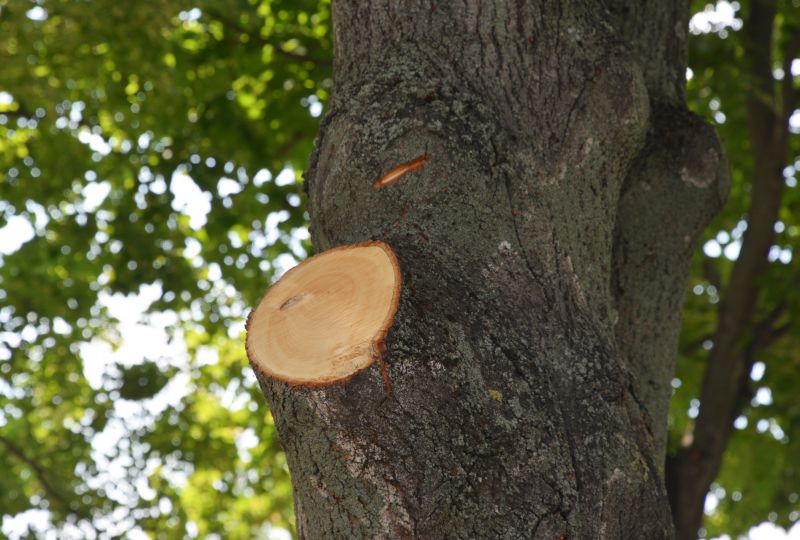
Dead branch removal services involve the careful trimming and removal of dead or dying branches from trees on residential properties. This process helps maintain the health and appearance of the tree, reduces the risk of falling branches that could cause damage or injury, and improves overall safety around the home. Projects typically include removing dead limbs that are hanging precariously, clearing branches that are obstructing walkways or power lines, and thinning out overgrown areas to promote better growth and airflow.
Homeowners considering dead branch removal often want to understand which branches should be removed for safety and tree health, as well as how the process may impact the appearance of their trees. It’s also common to inquire about the best timing for removal and any potential effects on the tree’s vitality. Proper assessment and careful pruning are essential to ensure that the removal is effective and that the tree remains healthy and aesthetically pleasing after the work is completed.
Many property owners in Allentown, PA look into Dead Branch Removal for repairs, replacements, upgrades, and appearance-related improvements.
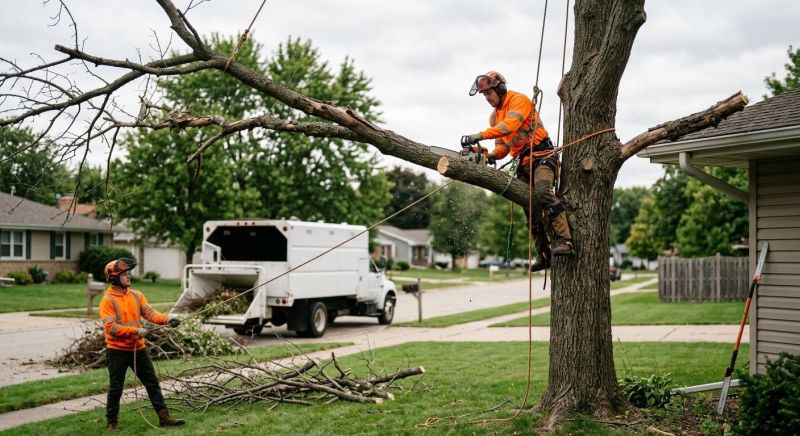
Dead Branch Removal Services
Examples of dead branch removal work property owners may explore in allentown, pa.
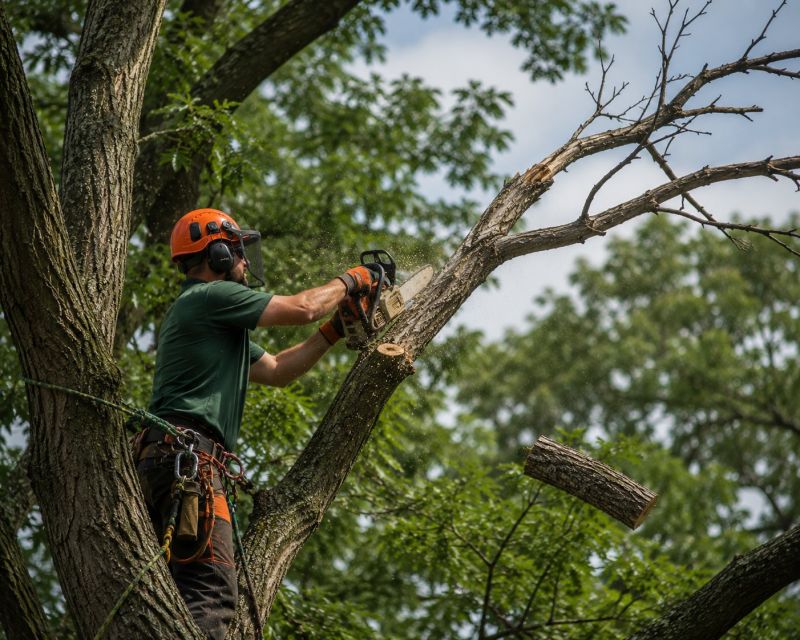
Dead Branch Removal Updates
Common ways people refresh, improve, or restore dead branch removal features in allentown, pa.
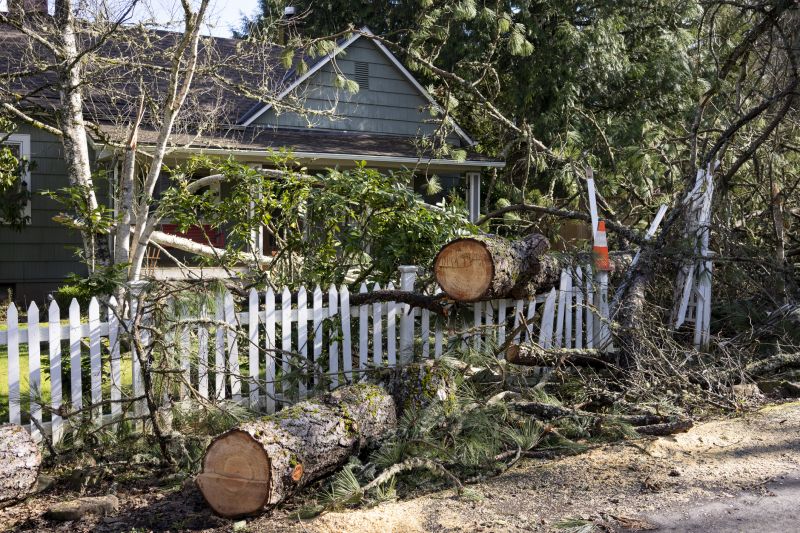
Dead Branch Removal Options
Different styles, layouts, and finishes people consider for dead branch removal in allentown, pa.
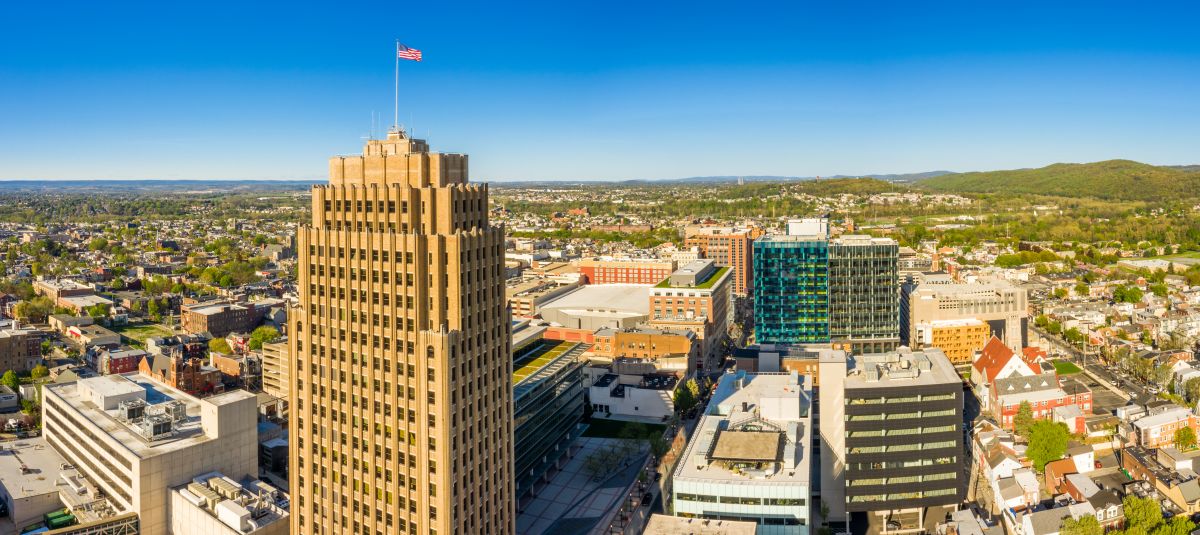
Dead Branch Removal in Allentown, PA
Dead branch removal services involve the careful trimming and removal of dead or dying branches from trees on residential properties. This process helps maintain the health and appearance of the tree, reduces the risk of falling branches that could cause damage or injury, and improves overall safety around the home. Projects typically include removing dead limbs that are hanging precariously, clearing branches that are obstructing walkways or power lines, and thinning out overgrown areas to promote better growth and airflow.
Homeowners considering dead branch removal often want to understand which branches should be removed for safety and tree health, as well as how the process may impact the appearance of their trees. It’s also common to inquire about the best timing for removal and any potential effects on the tree’s vitality. Proper assessment and careful pruning are essential to ensure that the removal is effective and that the tree remains healthy and aesthetically pleasing after the work is completed.
Many property owners in Allentown, PA look into Dead Branch Removal for repairs, replacements, upgrades, and appearance-related improvements.
Common Dead Branch Removal Jobs
Dead Tree Removal - safely removes hazardous or decayed trees to protect property and people.
Overgrown Branch Clearing - trims and removes dead or obstructive branches from trees and shrubs.
Storm Damage Cleanup - clears fallen or broken branches after severe weather events.
Emergency Branch Removal - quickly addresses broken or dangerous branches that pose immediate risks.
Tree Health Maintenance - removes dead or diseased branches to promote tree vitality and growth.
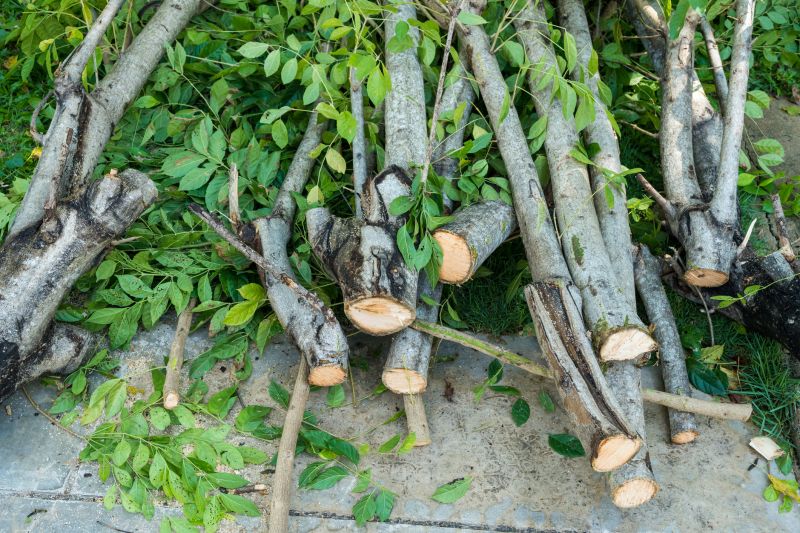
Property Cleanup - clears away dead wood and debris to maintain a tidy landscape.
Dead Branch Removal Questions
Why should dead branches be removed? Removing dead branches helps prevent potential damage to the tree and nearby property during storms or high winds.
How can dead branches affect my property? Dead branches can fall unexpectedly, posing a risk to people, pets, and structures on the property.
When is the best time to remove dead branches? Dead branches can be removed at any time of year, but it is often done during routine tree maintenance or after storms.
What signs indicate the need for dead branch removal? Visible decay, brittleness, or branches that are hanging and no longer green are signs that removal may be necessary.
Request Dead Branch Removal in Allentown, PA
Use the quote form on this page to share the basics of your project and request more information for the type of work you need.