Dead Branch Removal in Reno, NV
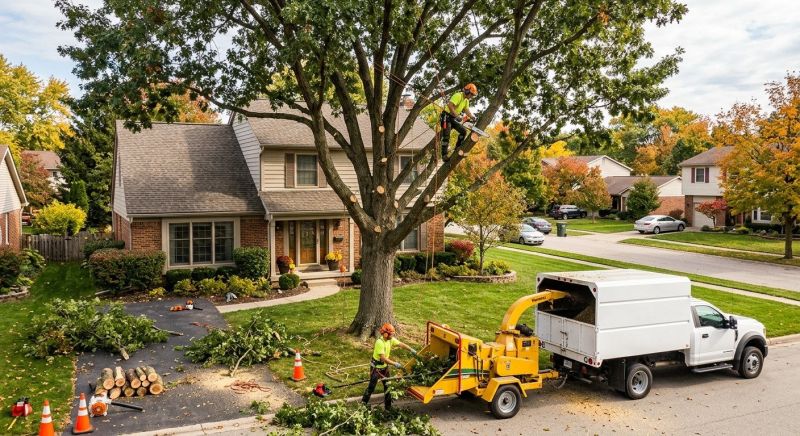
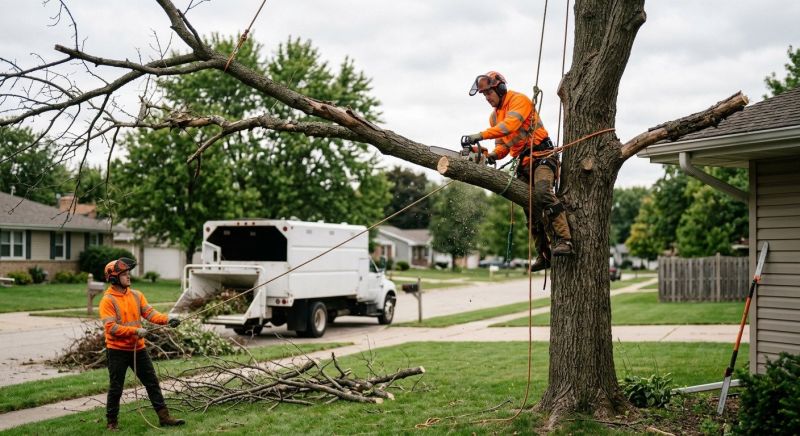
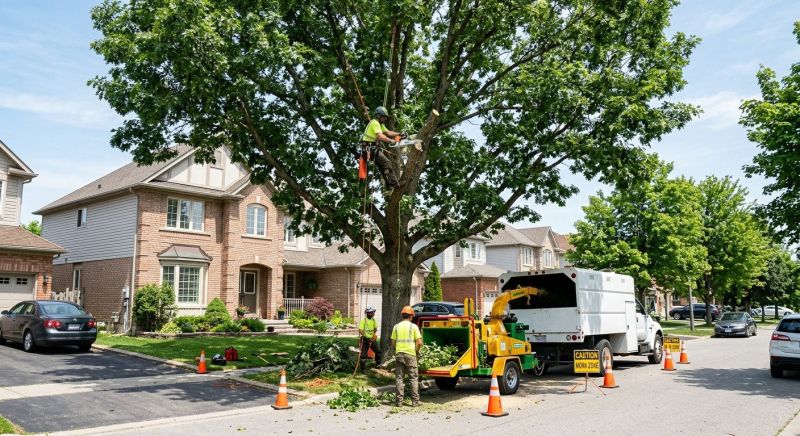
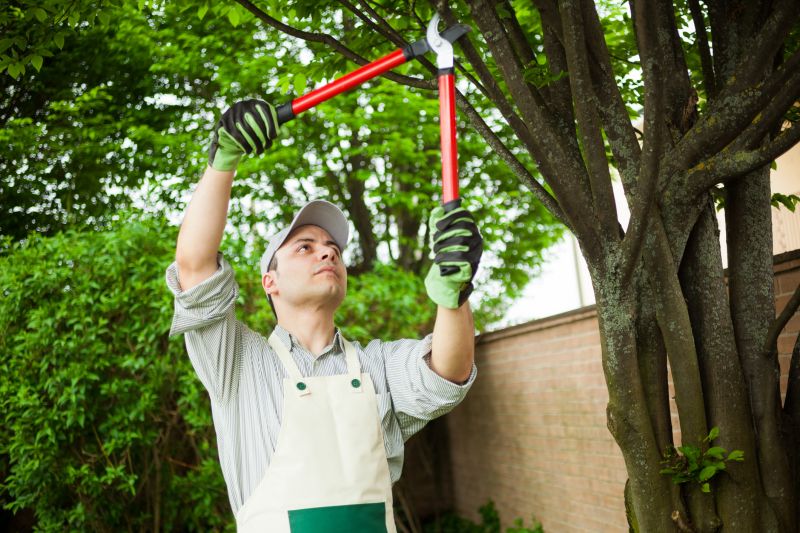
Dead branch removal services focus on safely removing damaged, dead, or overgrown branches from trees to maintain the health and appearance of the landscape. These projects typically involve pruning or trimming individual branches that pose a risk of falling, interfere with structures or power lines, or detract from the overall aesthetic of the property. Property owners often seek this service to prevent potential damage during storms, improve tree health, or enhance safety around walkways and outdoor living areas.
Before requesting dead branch removal, homeowners usually want to understand which branches are problematic and how the process may impact the tree’s growth. It’s helpful to know if the work will be focused on specific areas or if more extensive pruning is needed. Additionally, property owners often inquire about the best timing for removal, especially to avoid stress on the tree or to align with seasonal growth cycles. Clear communication about the scope of work can ensure the project meets safety, health, and aesthetic goals.
Many property owners in Reno, NV look into Dead Branch Removal for repairs, replacements, upgrades, and appearance-related improvements.
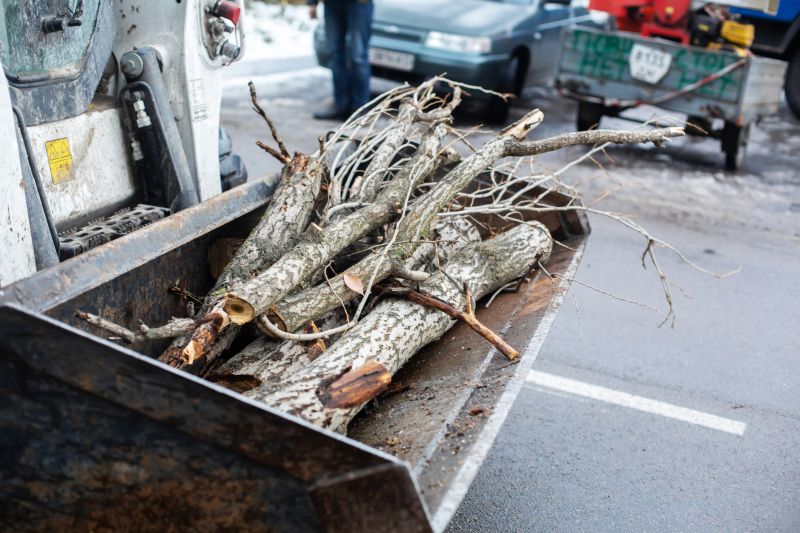
Hazard Prevention
Removing dead branches reduces the risk of falling and property damage.
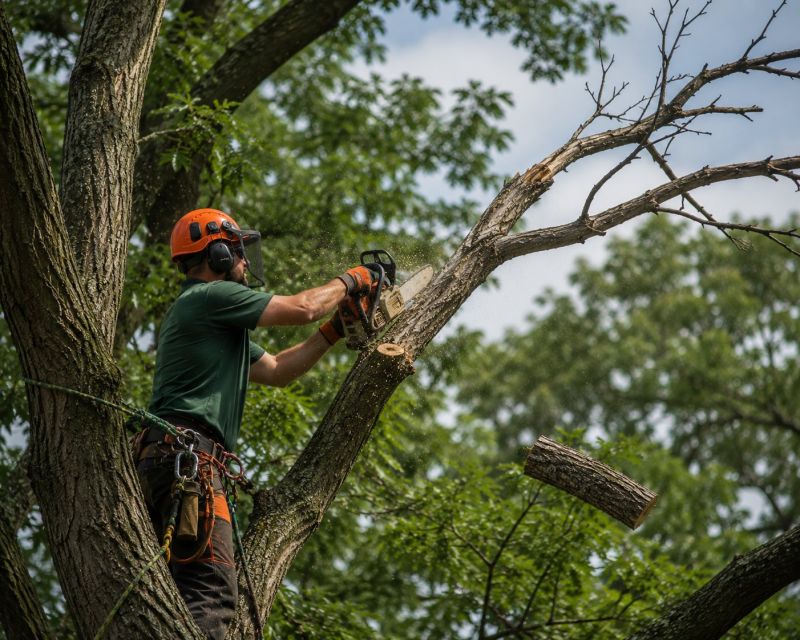
Tree Health
Eliminating dead limbs helps maintain the overall health and appearance of trees.
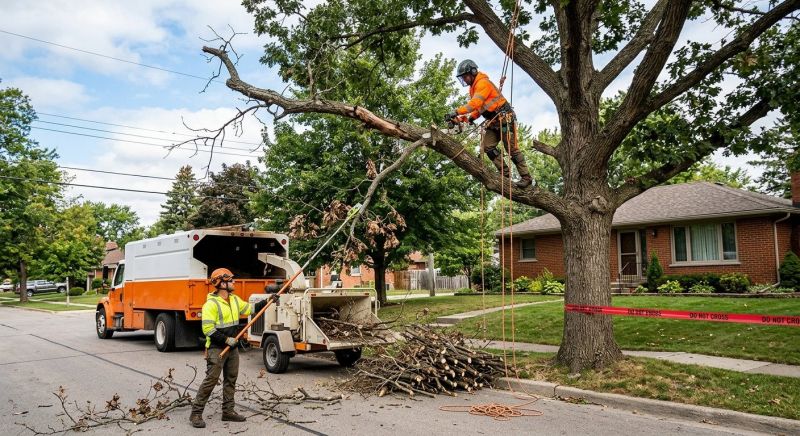
Property Safety
Dead branch removal enhances safety for residents and visitors around the property.
Dead Branch Removal in Reno, NV
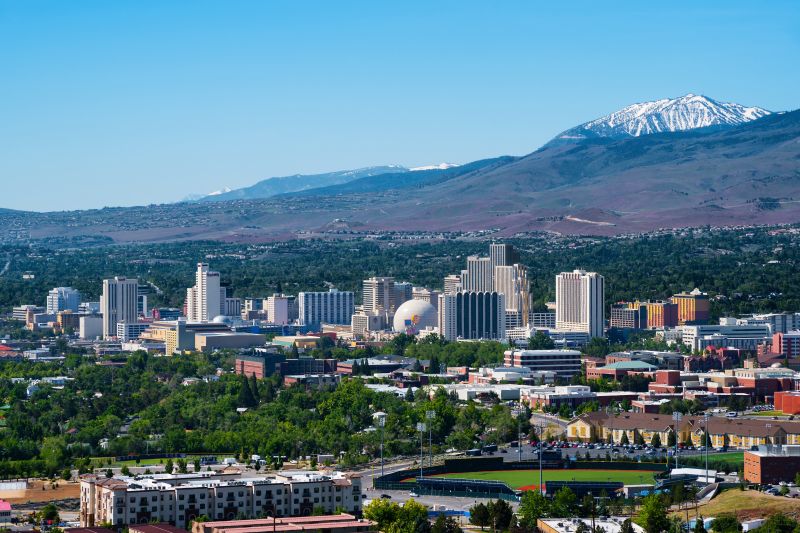
Dead branch removal services focus on safely removing damaged, dead, or overgrown branches from trees to maintain the health and appearance of the landscape. These projects typically involve pruning or trimming individual branches that pose a risk of falling, interfere with structures or power lines, or detract from the overall aesthetic of the property. Property owners often seek this service to prevent potential damage during storms, improve tree health, or enhance safety around walkways and outdoor living areas.
Before requesting dead branch removal, homeowners usually want to understand which branches are problematic and how the process may impact the tree’s growth. It’s helpful to know if the work will be focused on specific areas or if more extensive pruning is needed. Additionally, property owners often inquire about the best timing for removal, especially to avoid stress on the tree or to align with seasonal growth cycles. Clear communication about the scope of work can ensure the project meets safety, health, and aesthetic goals.
Many property owners in Reno, NV look into Dead Branch Removal for repairs, replacements, upgrades, and appearance-related improvements.
Common Dead Branch Removal Jobs
Dead branch removal services help eliminate hazardous limbs that pose a risk to property and safety.
They improve the overall health and appearance of trees by removing weak or damaged branches.
Services include pruning and cutting dead or dying branches to prevent decay and pest infestation.
Removing dead branches can reduce the risk of falling debris during storms or high winds.
Proper dead branch removal promotes better airflow and sunlight penetration within the tree canopy.
Professional removal ensures safety and minimizes damage to the tree during trimming.
Dead Branch Removal Questions
Why should dead branches be removed? Removing dead branches helps prevent potential damage to the tree and nearby property caused by falling limbs.
When is the best time to remove dead branches? Dead branches can be removed at any time of year, but it is often done during dormant seasons or when they pose an immediate risk.
How does dead branch removal benefit the property? It improves the overall health of the tree and reduces hazards around the yard or landscape.
What types of trees typically need dead branch removal? Most deciduous and evergreen trees with visible dead or broken branches may require removal to maintain safety and health.
Request Dead Branch Removal in Reno, NV
Use the quote form on this page to share the basics of your project and request more information for the type of work you need.